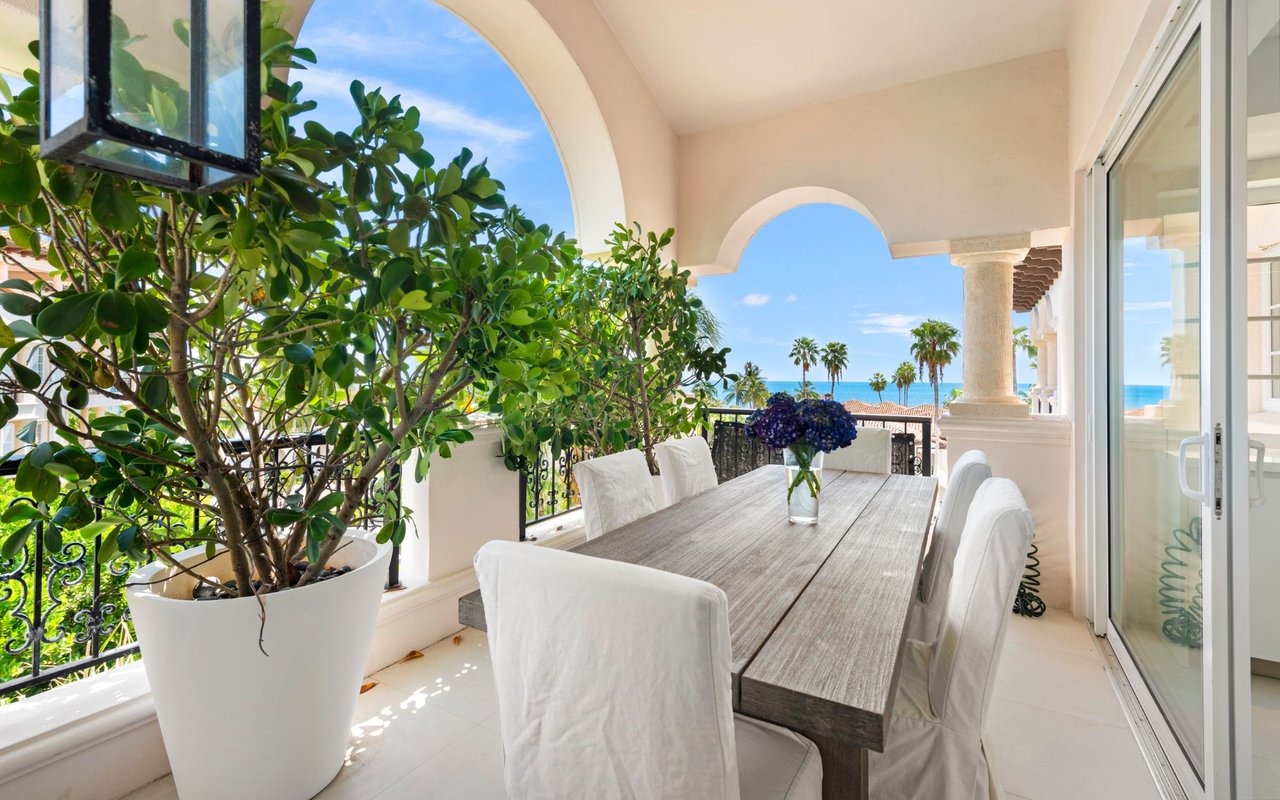
If you want a place near the coast without the full upkeep of a detached home, Newport Beach condos are worth a close look. The catch is that this market is not just about price. You also need to weigh building style, HOA health, financing, insurance, and how you plan to use the property. This guide will help you sort through those factors so you can buy with more clarity and confidence. Let’s dive in.
Newport Beach Condo Market Snapshot
Newport Beach condos sit at an interesting point in the local market. Current condo inventory is around 86 active listings, with a median listing price of about $2.38 million. The typical condo listing is taking about 46 days to sell.
That matters because citywide, Newport Beach had a median sale price of $3.44 million over the last three months. In other words, condos can be a lower-priced entry point into Newport Beach compared with many single-family options, even though they still fall firmly in luxury territory by most standards.
The price range is also wide. Recent listings stretch from smaller units under $600,000 to waterfront and townhome-style residences in the multi-million-dollar range. For you as a buyer, that means the condo market can serve very different goals, from a primary residence to a second home with lower day-to-day maintenance.
Condo Styles You’ll See in Newport Beach
Newport Beach is not a one-style condo market. The city’s planning framework points to several distinct building patterns, and each one creates a different ownership experience.
Newport Center Condos
Newport Center includes high- and mid-rise office and residential buildings. If you want a more urban feel with a polished, central location, this area may appeal to you.
This type of product can work well if convenience and a more lock-and-leave lifestyle are high on your list. Compared with lower-scale coastal areas, the feel here can be more vertical and more structured.
Balboa Peninsula Properties
The Balboa Peninsula is intended to preserve a pedestrian-scale urban form. For buyers, that often translates into a more walkable coastal setting and a different rhythm than you would find in a larger tower-style community.
This is one reason Peninsula condos and townhomes often attract buyers who care as much about the surrounding lifestyle as the floor plan itself. If being close to the harbor, beach, and local activity matters to you, this product type deserves attention.
Lido and Waterfront Mixed-Use Homes
Lido Marina Village and nearby waterfront areas are tied to mixed-use, water-related development, including residential uses above commercial space. That can create a more active environment, often with a blend of residential convenience and a harbor-oriented setting.
If you are drawn to marina views, a vibrant waterfront feel, or a home that supports a second-home lifestyle, these properties may stand out. As always, actual layouts, access, and privacy can vary from building to building.
Cannery Village and Similar Areas
Cannery Village interior parcels are planned as a pedestrian-oriented residential neighborhood with live/work and supporting retail uses. That gives some properties a neighborhood feel that blends residential living with nearby activity.
For some buyers, this strikes a nice middle ground. You may get a more intimate setting than a larger condo complex while still enjoying a lower-maintenance ownership model than a detached home.
What Newport Beach Condo Living Can Offer
One reason condos remain popular in coastal markets is simple: less exterior maintenance. In many communities, the association handles common areas and many exterior responsibilities, which can make ownership feel more manageable if you travel often or want a second home.
That convenience comes with trade-offs. You usually have less control over rules, exterior changes, and some day-to-day property decisions than you would with a detached home. If you value simplicity, that may feel like a fair exchange. If you want maximum flexibility, it may not.
Current listings also show the kinds of amenities you may encounter in Newport Beach condo and townhome communities. Examples include community pools, heated spas, gated settings, attached or direct-access garages, patios or balconies, and water or ocean views.
It is important to treat those as examples, not guarantees. Amenities can differ widely by building, so it helps to verify exactly what comes with the unit, what belongs to the HOA, and what is exclusive-use space.
HOA Due Diligence Matters More Here
In California, condo and townhome communities operate under recorded CC&Rs and bylaws and are governed by the Davis-Stirling Act. In practical terms, that means the HOA can make and enforce rules, collect fees and assessments, and manage the shared parts of the community.
Before you buy, the disclosure package deserves real attention. California law requires associations to provide an annual budget report that includes the operating budget, a summary of reserves, a reserve funding plan, and notice that the full reserve study is available upon request.
The reserve study is especially important. It must be performed at least every three years and reviewed annually, and it should identify major components, their remaining useful life, expected repair or replacement costs, annual contribution needs, and a funding plan.
For you, this is not just paperwork. It is one of the clearest ways to gauge whether the community appears prepared for future expenses or whether deferred maintenance and underfunded reserves could lead to financial surprises.
Questions to Ask About HOA Fees
Monthly HOA dues can cover a range of shared costs. Depending on the project, they may include:
- Exterior repairs
- Common area maintenance
- Water
- Sewer
- Trash service
- Recreational amenities
- Insurance for common elements
- Reserve funding
The key is not just the amount of the fee. You want to know what it covers, what it does not cover, and whether the current fee level appears realistic for the building’s age, amenities, and upkeep needs.
Why Reserve Health and Assessments Matter
California law also places limits on assessment increases without member approval. In general, a board cannot raise regular assessments by more than 20 percent in a fiscal year or impose certain larger special assessments beyond 5 percent of budgeted gross expenses without member approval.
Even with those limits, special assessments can still become a real issue if a building has major repair needs or weak reserves. That is why buyers should ask not only whether an assessment is already planned, but whether the financial documents suggest one could become more likely.
Financing and Insurance Can Affect Your Options
Not every condo project is equally easy to finance. Lenders often review project budgets, financial statements, reserve studies, insurance, litigation, and other project-level details before approving a loan.
Issues like inadequate insurance, active litigation, or weak reserves can create lender concerns. In some cases, that can limit financing choices or affect timing, even if you personally qualify for the loan.
Insurance questions also deserve extra care in Newport Beach. The city identifies West Newport, Balboa Peninsula, and Newport Bay as low-elevation areas. Because some of the most sought-after harbor-adjacent and coastal communities sit in these areas, you should verify flood exposure and confirm how the HOA’s master policy and any required flood coverage line up with the building’s risk profile and your lender’s requirements.
Rental Flexibility Is Not a Given
If you are buying with future rental income or second-home flexibility in mind, do not assume every condo will work the way you want. In Newport Beach, short-term lodging is defined as 30 consecutive days or less, and the city requires a short-term lodging permit and business license in certain residential zones. The city also caps active permits at 1,550.
That is only part of the picture. Even if city rules allow a use, the HOA’s CC&Rs may still restrict or prohibit it. So if rental flexibility matters to you, confirm both the city rules and the HOA rules before moving forward.
This step is especially important in a market where buyers often consider condos as second homes or lower-maintenance coastal properties. The right building for a primary residence may not be the right building for a part-time or rental-minded ownership plan.
A Simple Framework for Comparing Condos
When you compare Newport Beach condos, try to look beyond finishes and views for a moment. A smart comparison usually comes down to five core factors:
- Location: How close are you to the harbor, beach, village areas, or Newport Center?
- Building style: Do you prefer a high-rise, mixed-use setting, or a lower-scale townhome feel?
- HOA health: Are reserves, budgets, and maintenance planning in solid shape?
- Use flexibility: Do city rules and HOA rules support how you plan to use the property?
- Ownership burden: Does the maintenance level match your lifestyle goals?
This framework can help you compare a condo or townhome against a detached home in the same market. Often, the better choice is less about square footage and more about how the property fits your time, priorities, and long-term plans.
How to Buy More Confidently
In a market like Newport Beach, the right condo can give you coastal access, a more manageable ownership experience, and a strong lifestyle fit. But the details matter, especially when you are buying in a community with shared financial obligations and building-wide rules.
As you narrow your options, focus on the full picture. Price matters, but so do reserves, insurance, flood exposure, parking, storage, modification rights, and the practical day-to-day feel of the building.
If you want help evaluating Newport Beach condo options with a clear, steady approach, Emilia Schiller can help you compare properties, ask the right questions, and move forward with confidence.
FAQs
What is the current Newport Beach condo market like for buyers?
- Newport Beach currently has about 86 active condo listings, a median listing price around $2.38 million, and a typical time on market of about 46 days.
What do Newport Beach condo HOA fees usually cover?
- Depending on the community, HOA fees may cover exterior repairs, common areas, water, sewer, trash service, certain amenities, insurance for common elements, and reserve funding.
What should buyers review in a Newport Beach condo HOA disclosure package?
- You should review the annual budget report, reserve summary, reserve funding plan, full reserve study if available, rules, assessments, insurance information, and any signs of deferred maintenance.
Are Newport Beach condos in flood-prone areas?
- Some are. The city identifies West Newport, Balboa Peninsula, and Newport Bay as low-elevation areas, so flood exposure and insurance should be reviewed carefully for properties in those locations.
Can you use a Newport Beach condo as a short-term rental?
- It depends on both city rules and HOA rules. The city defines short-term lodging as 30 consecutive days or less, requires permits and a business license in certain residential zones, and caps active permits.
Can financing a Newport Beach condo be harder than financing a house?
- Yes. Some condo projects face lender scrutiny around litigation, insurance, budgets, financial statements, and reserve studies, which can affect financeability.