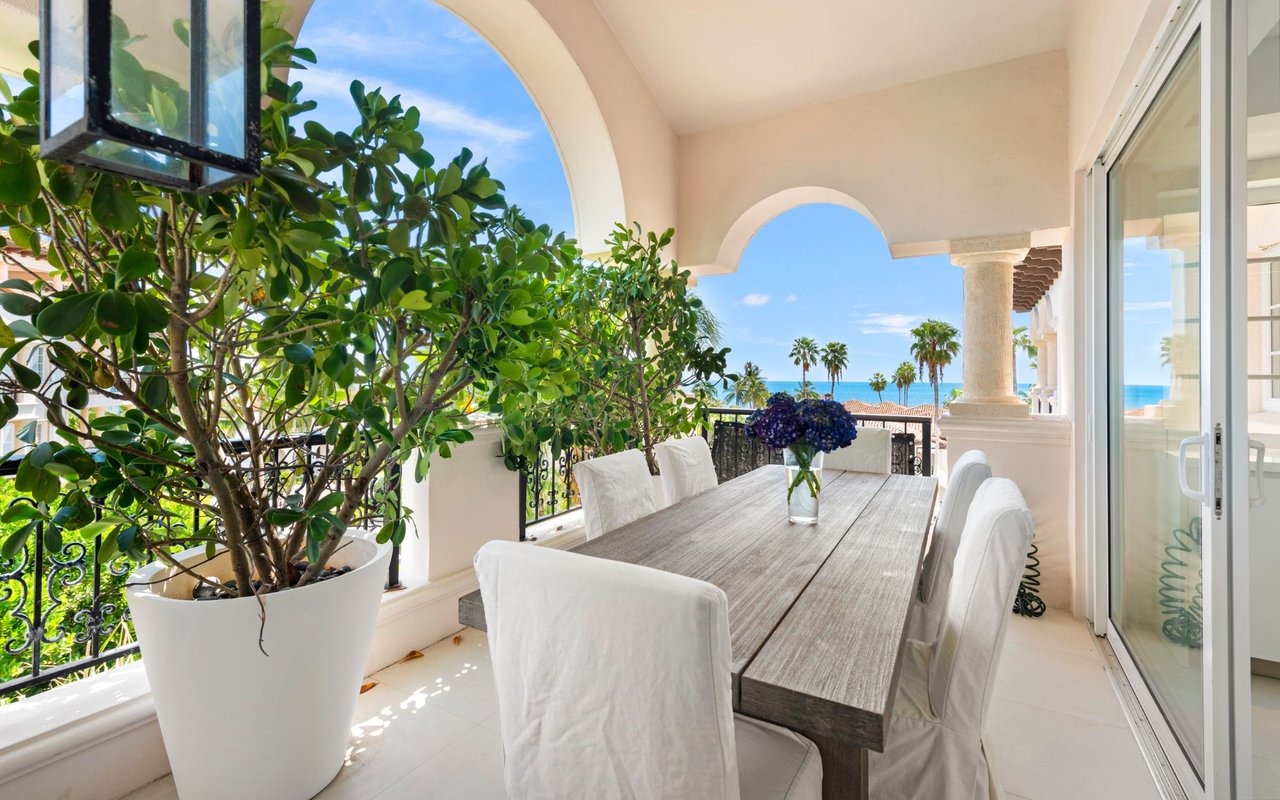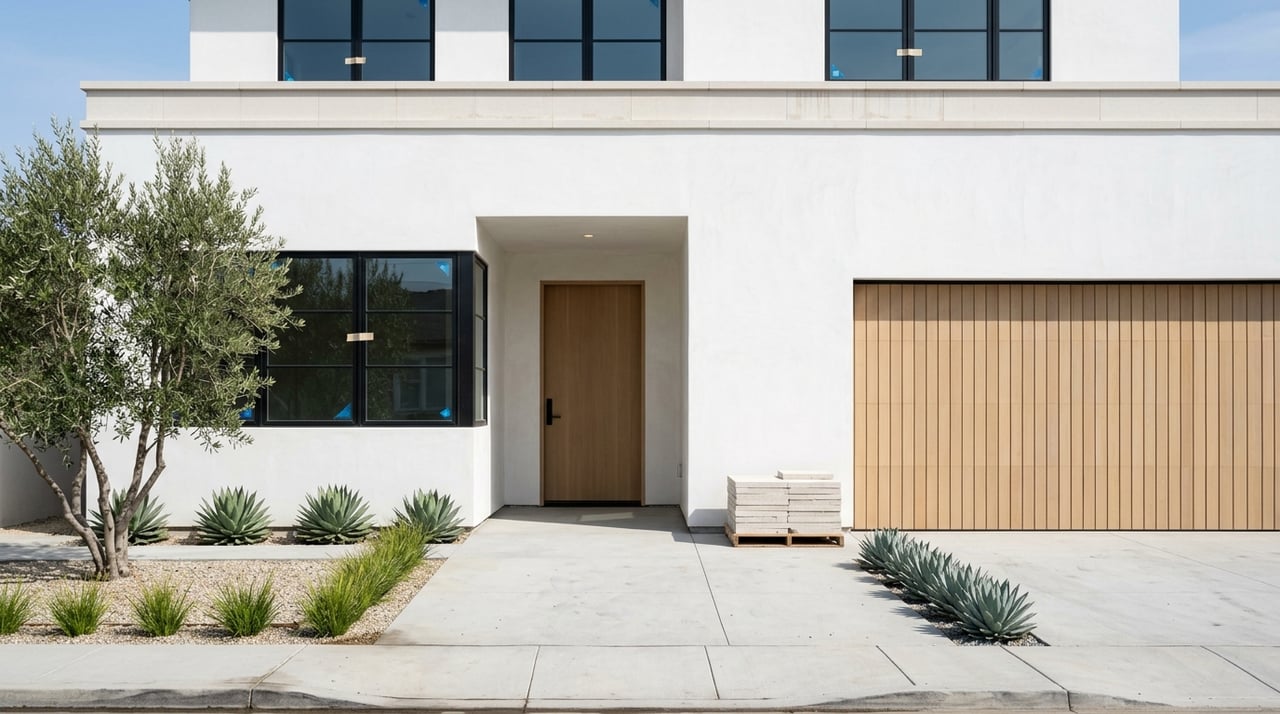
If you are looking at Corona del Mar through a rebuild or new construction lens, you already know this is not a plug-and-play market. The appeal is obvious: beach access, a walkable village setting, and a well-known coastal address all make the area especially attractive for buyers who want more than a turnkey home. What matters most is understanding where the real opportunity is, where the limits are, and how to spot a parcel that can truly support your goals. Let’s dive in.
Why Corona del Mar Draws Rebuild Buyers
Corona del Mar stands out because it blends a coastal lifestyle with an established neighborhood fabric. Newport Beach highlights the area for its connection to Corona del Mar State Beach, the Robert E. Badham Marine Conservation Area, Lookout and Inspiration Points, and the village core with shops and restaurants.
For buyers, that mix often shifts the conversation from simply finding an updated house to finding the right lot. In many cases, the value is tied as much to location and parcel potential as it is to the current structure.
Older Homes Create New Potential
Newport Beach’s cottage-preservation materials offer an important clue about the local housing stock. The city describes many older Corona del Mar cottages as smaller homes that reflect traditional development patterns, often one story with a small second story above rear parking.
That matters because many rebuild opportunities begin with an older improvement on a valuable coastal lot. If you are searching for upside, the existing home may be dated, but the parcel itself could still hold meaningful potential for a custom home or a carefully planned renovation.
What Shapes Buildability in Corona del Mar
A rebuild opportunity is only as strong as the site behind it. In Corona del Mar, lot width, zoning, setbacks, height rules, and coastal conditions all play a role in what you may be able to build.
Narrow Lots Matter
Newport Beach staff has noted that many lots in Corona del Mar are 30 feet wide. That narrow frontage can affect massing, garage placement, side step-backs, and how upper-level space is designed.
In practical terms, two parcels with similar square footage may not offer the same design flexibility. A narrow lot often requires a more disciplined architectural approach from the start.
Floor-Area Rules Are Not One-Size-Fits-All
For single-unit residential parcels, Newport Beach zoning generally allows one detached dwelling per legal lot. The city also states that on lots wider than 40 feet in Corona del Mar, the floor-area limit is 1.5 times buildable area, compared with 2.0 citywide.
The zoning code also says subterranean basements are excluded from gross floor-area calculations. Depending on the parcel and design, that can be an important planning detail.
Setbacks and Height Can Vary
One of the biggest mistakes buyers make is assuming every Corona del Mar parcel follows the same rules. Newport Beach says setbacks vary by zoning district, and setback maps can control over the base standards.
For bluff- and ocean-adjacent parcels, the rules become more restrictive. The city notes that bluff-edge setbacks are governed by the Bluff Overlay District, structures must be at least 10 feet from bulkheads, and on the bluff side of Ocean Boulevard the maximum height cannot exceed the elevation of the curb abutting the lot.
Planned-Community Rules May Apply
Some parcels are shaped by more than the base zoning code. Newport Beach’s Corona del Mar Homes planned-community text uses its own residential standards and development character.
That is one reason parcel-specific review is so important before you buy. A property that looks straightforward from the street may be subject to standards that materially affect design options.
Why Due Diligence Comes First
In Corona del Mar, the smartest rebuild strategy usually starts before the purchase, not after closing. Early diligence can help you avoid overpaying for a parcel that turns out to have design or entitlement limits you did not expect.
Start With a Zoning and Feasibility Check
Newport Beach’s Planning Division says the Development Review Committee offers early informal feedback on large or complex projects. The city’s Permit Center also serves as a one-stop review point that involves Building, Fire, Planning, Public Works, and Health.
For buyers, this means a feasibility review is not just helpful. It is often the clearest way to understand whether a property fits your vision before you commit.
Coastal Review Can Change the Timeline
Because Corona del Mar is in a coastal jurisdiction, city and state coastal rules are central to many rebuild plans. The California Coastal Commission explains that once a Local Coastal Program is certified, most Coastal Development Permit authority is delegated to local government, but coastal-zone development still must comply with the Coastal Act and local coastal standards.
That can add complexity, especially if you are considering demolition, major alteration, or new construction near the coast. Coastal review is not something to treat as a late-stage box to check.
Bluff and Ocean Parcels Need Extra Analysis
Newport Beach’s Local Coastal Program Appendix A says new development on a beach or coastal bluff subject to wave action must include a wave-uprush and impact report prepared by a licensed civil engineer with expertise in coastal processes. The appendix also identifies eroding coastal bluffs along Ocean Boulevard in Corona del Mar as an area where sea-level-rise review is required.
In simple terms, bluff and ocean-adjacent sites need engineering and coastal diligence much earlier than a standard remodel. These parcels can be compelling, but they usually require a more specialized path.
Future Shoreline Protection Is a Real Issue
The same city appendix says new development on beach or bluff sites should be sited and designed to avoid shoreline or bluff protective devices over the structure’s 75-year economic life. It can also require a waiver of future shoreline protection as a condition of approval.
For a buyer, this is a major reminder that long-term site planning matters. The best ocean-close opportunity is not always the one with the most dramatic setting. It is often the one whose risks and constraints are clearly understood upfront.
Flood-Zone Review Should Happen Early
Newport Beach’s flood-map FAQ explains that FEMA flood maps are used to determine whether flood insurance may be required for federally backed loans. The city advises property owners to verify flood-zone status early in the process.
That makes flood review a basic part of acquisition diligence. Even if a lot appears attractive on paper, insurance and financing considerations can affect the overall cost picture.
What Today’s Rebuilds Often Look Like
Corona del Mar still has a strong traditional-cottage identity, and that history continues to shape the neighborhood. At the same time, many current rebuilds lean toward custom coastal-contemporary design.
The city’s cottage-preservation program aims to protect traditional beach-cottage envelopes, while local design patterns in the area reflect one-level solutions, daylight basements in response to height limits, and homes shaped by irregular lots and view orientation.
This helps explain why successful new construction in Corona del Mar often feels tailored rather than oversized. Newport Beach’s design-standards work has also shown ongoing concern about bulk, massing, third-floor covered decks, and step-back rules, especially on the neighborhood’s narrower lots.
The Right Team for a Rebuild Purchase
A rebuild purchase usually requires a broader team than a standard home purchase. The right property can look exciting at first glance, but real value comes from confirming what the parcel can support.
At minimum, buyers should expect to coordinate with:
- A licensed architect
- A licensed general contractor
- A licensed civil engineer for coastal or site-sensitive conditions
- Geotechnical or coastal specialists when the parcel is sloped, bluff-adjacent, or otherwise hazard-sensitive
For beach and bluff projects, Newport Beach specifically requires a licensed civil engineer with expertise in coastal processes for certain reports. That makes professional coordination a core part of the opportunity, not an optional extra.
How to Spot the Best Opportunity
In Corona del Mar, the upside is rarely just about buying land and building bigger. The strongest opportunities are usually parcels where several factors line up at once.
Look for properties where:
- The existing home is dated or functionally limited
- The lot geometry supports a workable design
- Zoning and floor-area rules align with your goals
- Setbacks and height restrictions are manageable
- Coastal, bluff, or flood issues are identifiable early
- The entitlement path appears realistic for your timeline
That is why rebuild buying in Corona del Mar can be so rewarding, but also why it benefits from careful guidance. The goal is not just to find a teardown or fixer. The goal is to find a parcel with a realistic path to the home or investment outcome you want.
If you are considering a rebuild, new construction, or strategic purchase in Corona del Mar, working with someone who understands both the lifestyle appeal and the practical complexity can make the process much clearer. If you want a thoughtful conversation about current opportunities in Coastal Orange County, connect with Emilia Schiller.
FAQs
What makes Corona del Mar attractive for rebuild opportunities?
- Corona del Mar combines beach access, walkability, a well-known coastal setting, and an older housing stock that often includes smaller cottages on valuable lots.
What lot characteristic is common in Corona del Mar?
- Newport Beach has noted that many Corona del Mar lots are about 30 feet wide, which can affect massing, garage placement, step-backs, and overall design flexibility.
What should buyers check before purchasing a Corona del Mar teardown?
- Buyers should review zoning, setbacks, height limits, possible planned-community standards, coastal requirements, flood-zone status, and overall site feasibility before moving forward.
What special rules affect bluff or ocean-adjacent Corona del Mar parcels?
- These parcels may be subject to bluff-overlay standards, bulkhead setbacks, height restrictions, sea-level-rise review, and engineering reports related to wave action and coastal processes.
What professionals are often needed for a Corona del Mar rebuild project?
- Most rebuild projects benefit from a licensed architect and licensed general contractor, with civil engineering and geotechnical or coastal expertise often needed for more complex sites.
Can every older Corona del Mar home be replaced with a much larger new house?
- Not necessarily. Buildability depends on parcel-specific zoning, lot width, floor-area limits, setbacks, height rules, coastal review, and any applicable planned-community standards.